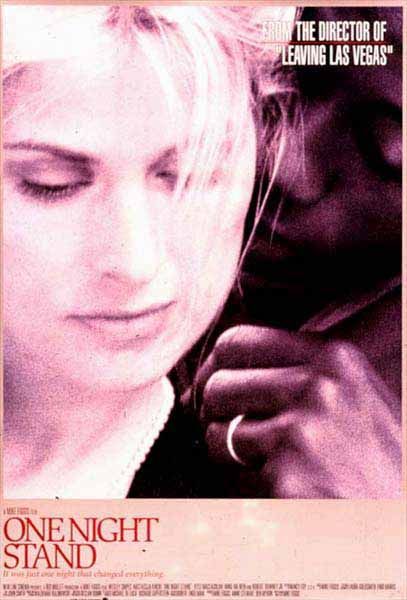
Dir: Mike Figgis
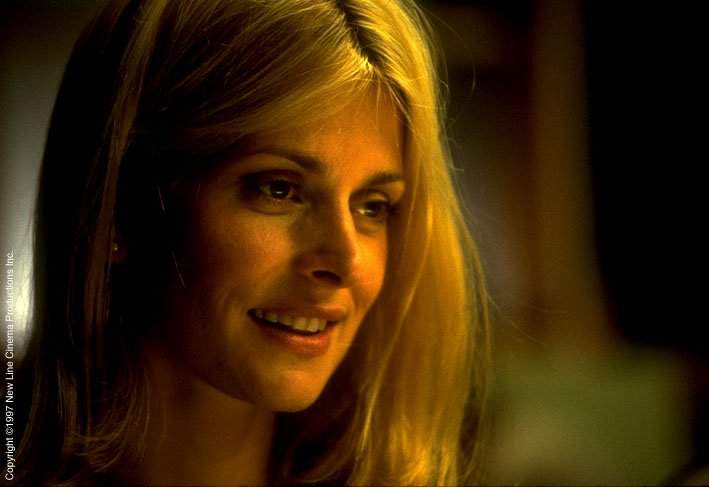
Star: Wesley Snipes, Nastassja Kinski, Ming-Na Wen, Kyle McLachlan
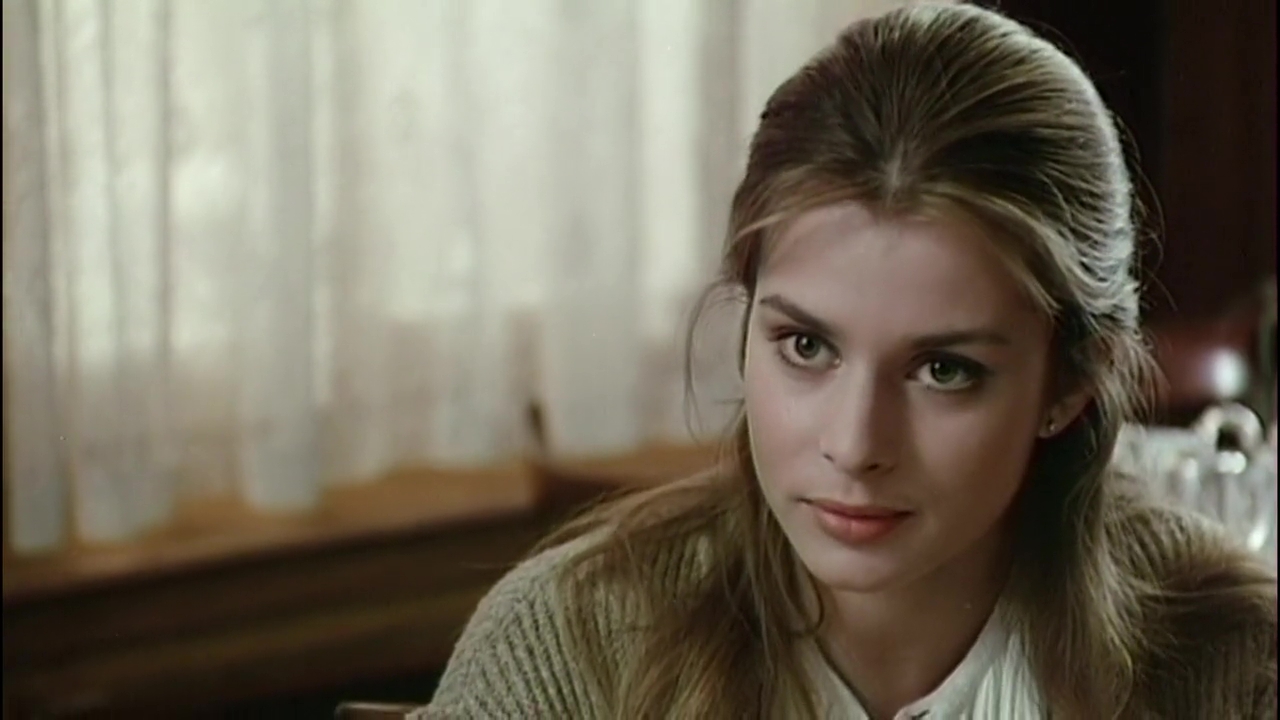
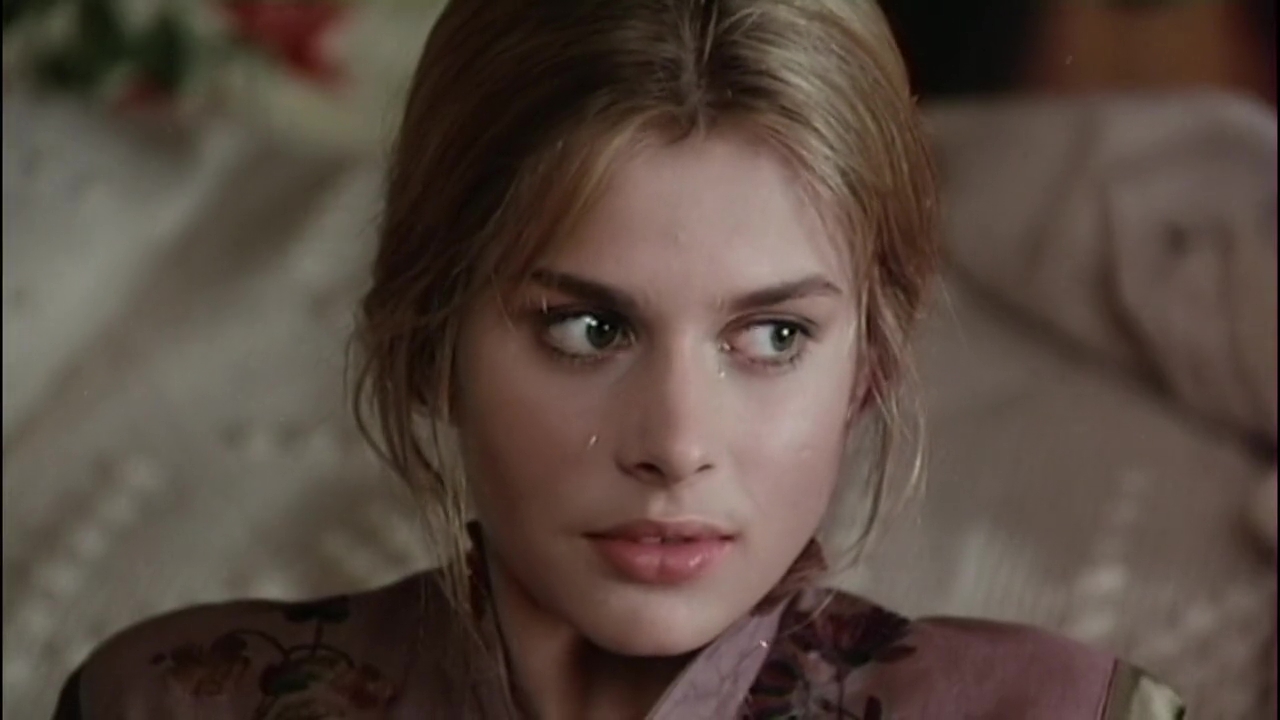
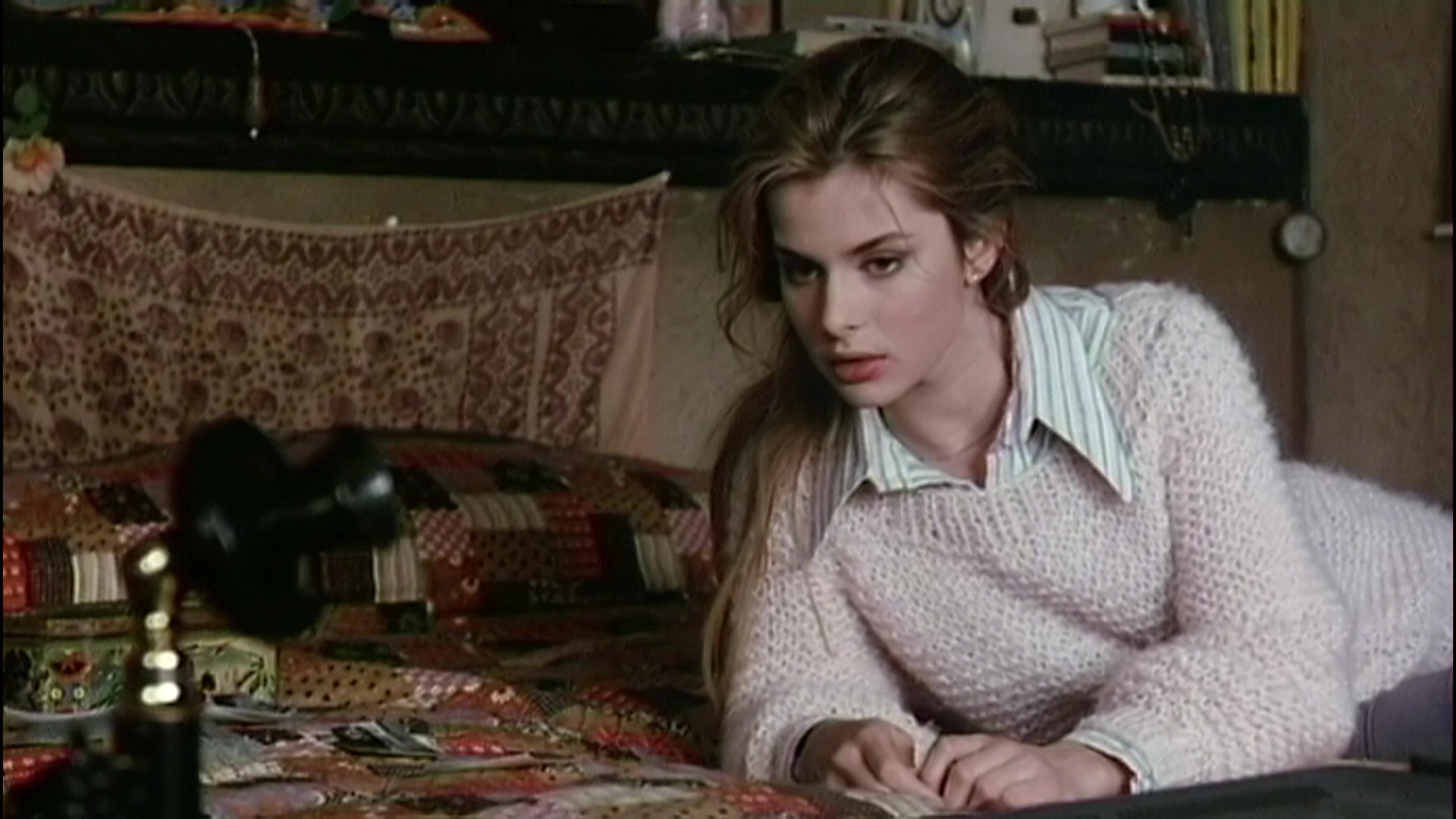
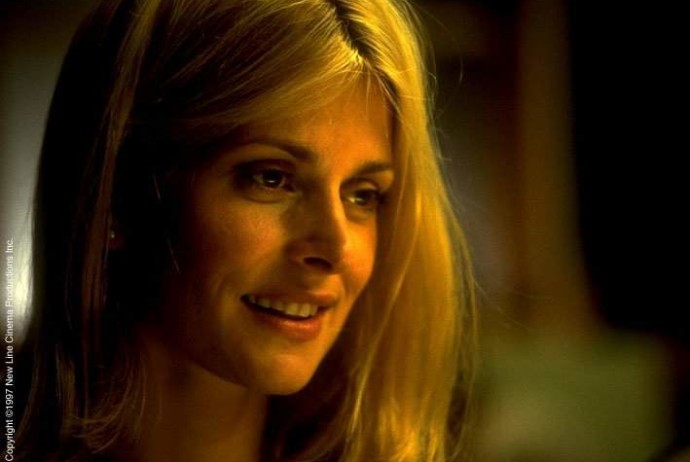
“The woman she plays resembles a star, With one look, she lights up Wesley’s night. She is fragile and yet a hunter, dominating and perhaps dangerous.”
— Mike Figgis
The original idea for the film was by notorious sleaze-master Joe Eszterhas, who sold a four-page outline for $4 million in 1994, at a point when his star was still high after the huge success of Basic Instinct. Initially, the plan was for Adrian Lyne to direct but he bailed the following year, opting to kill his career with Lolita instead. Mike Figgis, then a hot property after Leaving Las Vegas. came on board, and with Eszterhas no longer in Hollywood’s good graces, after bombs like Jade and Showgirls, Figgis was given permission for a rewrite. And I mean, a radical one. According to the LA Times, the first 65 pages of Eszterhas’s version”are given over to an Olympic decathlon-style sexual encounter between the couple, with almost as much trash talk about sex as sex itself.” After reading the final shooting script, the original author requested the removal of his name – though Eszterhas kept the cash, naturally.
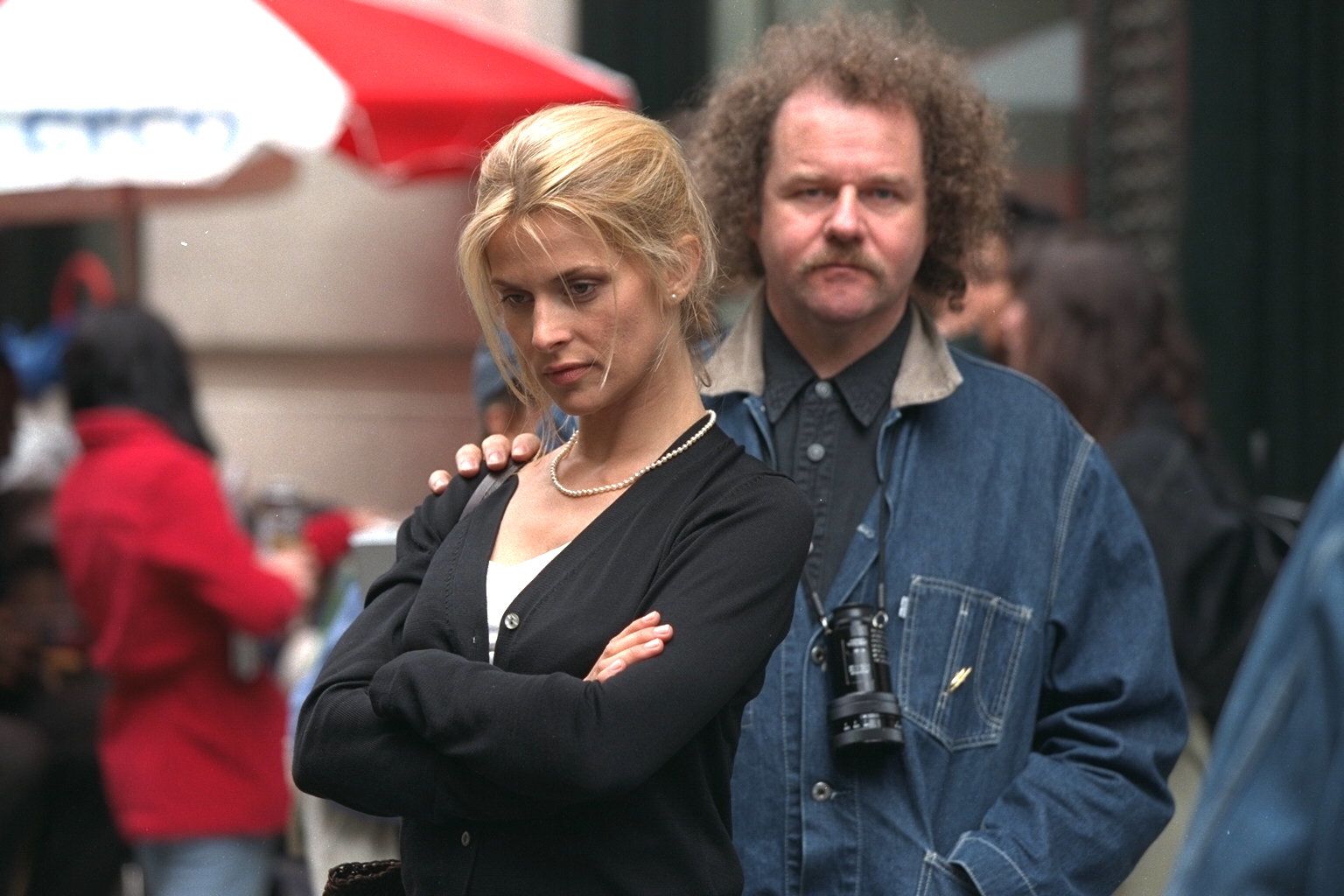
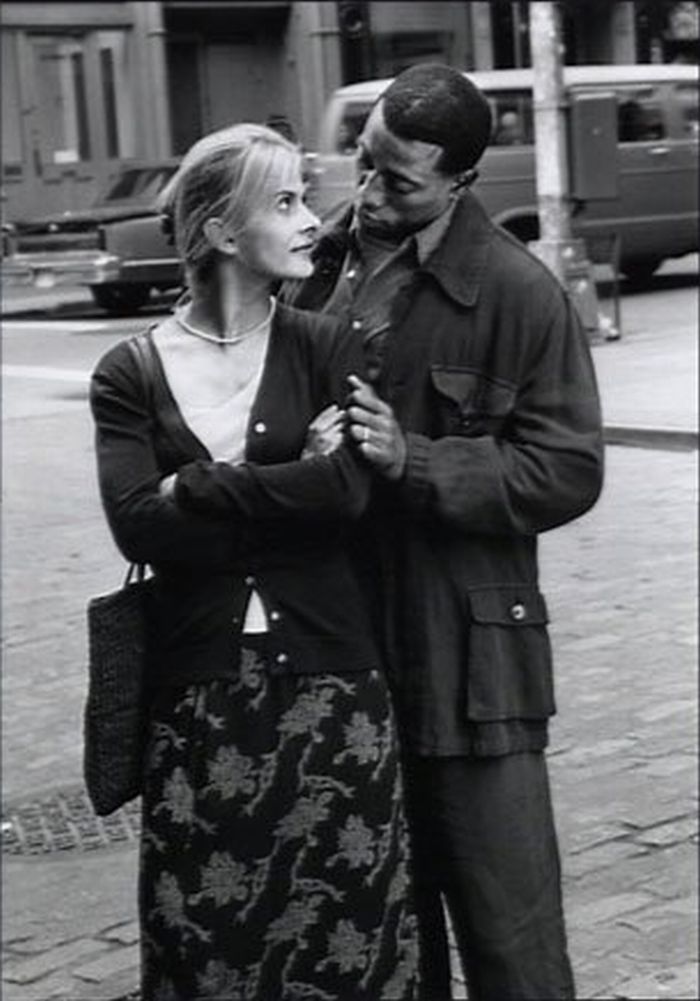
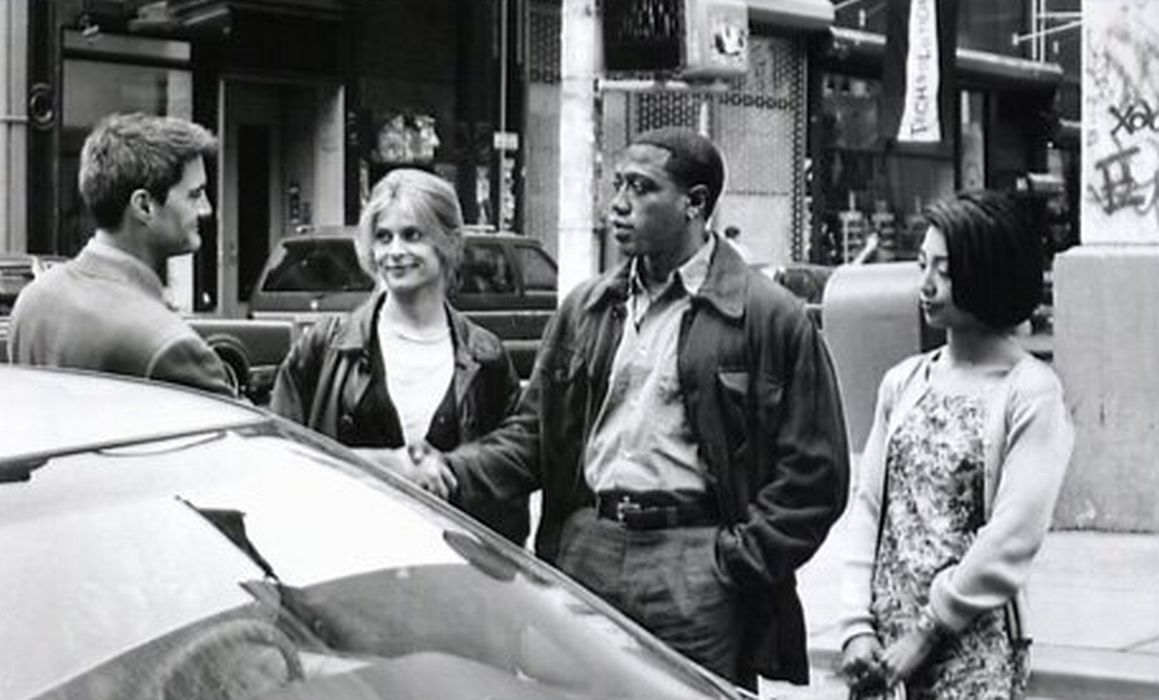
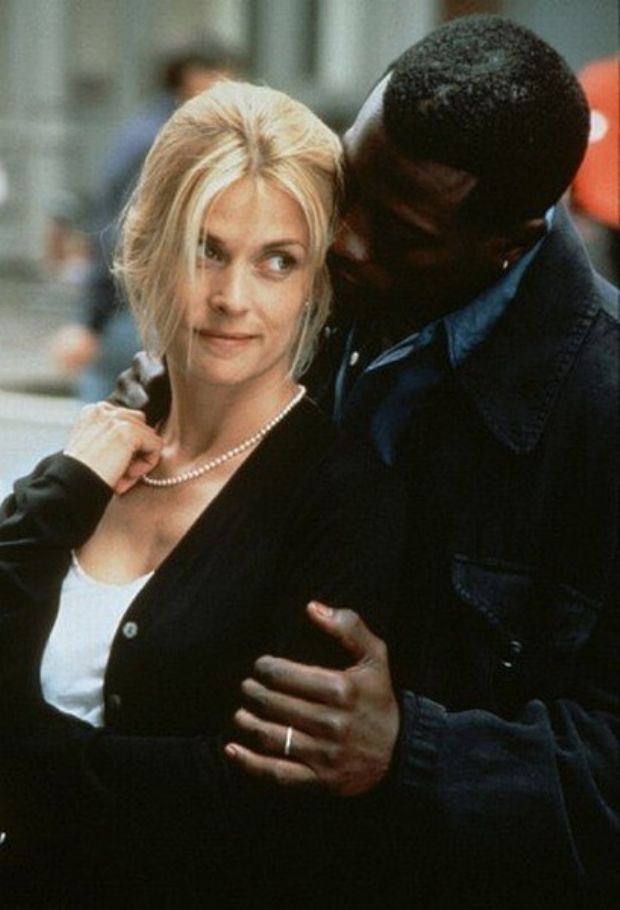
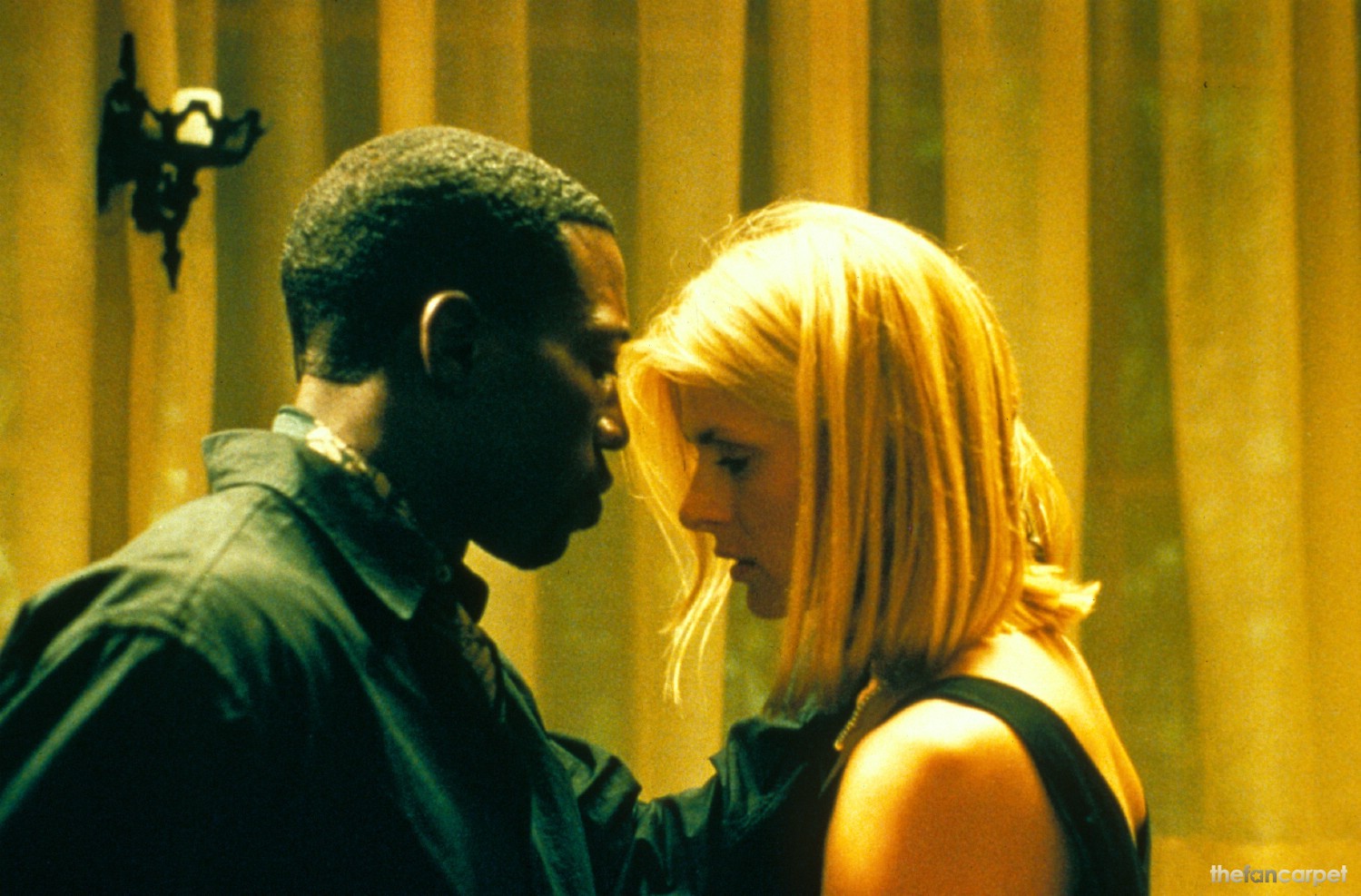
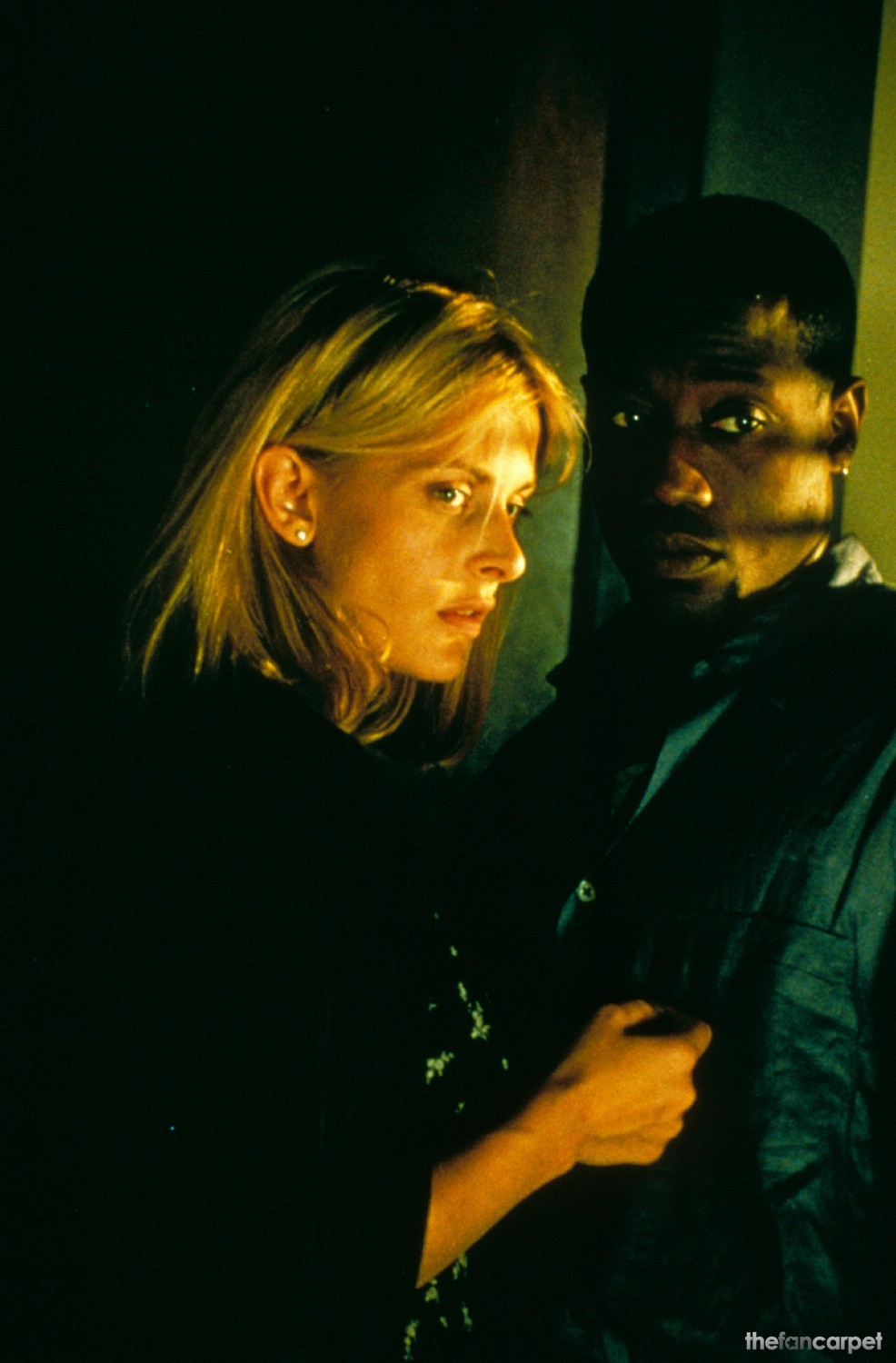
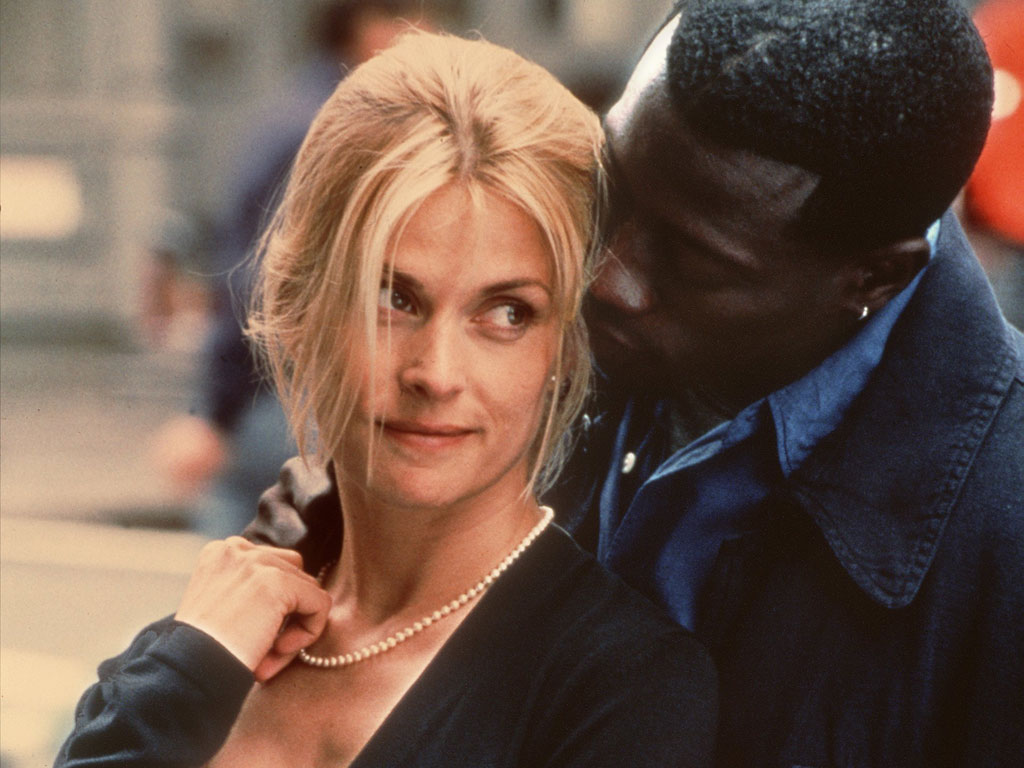
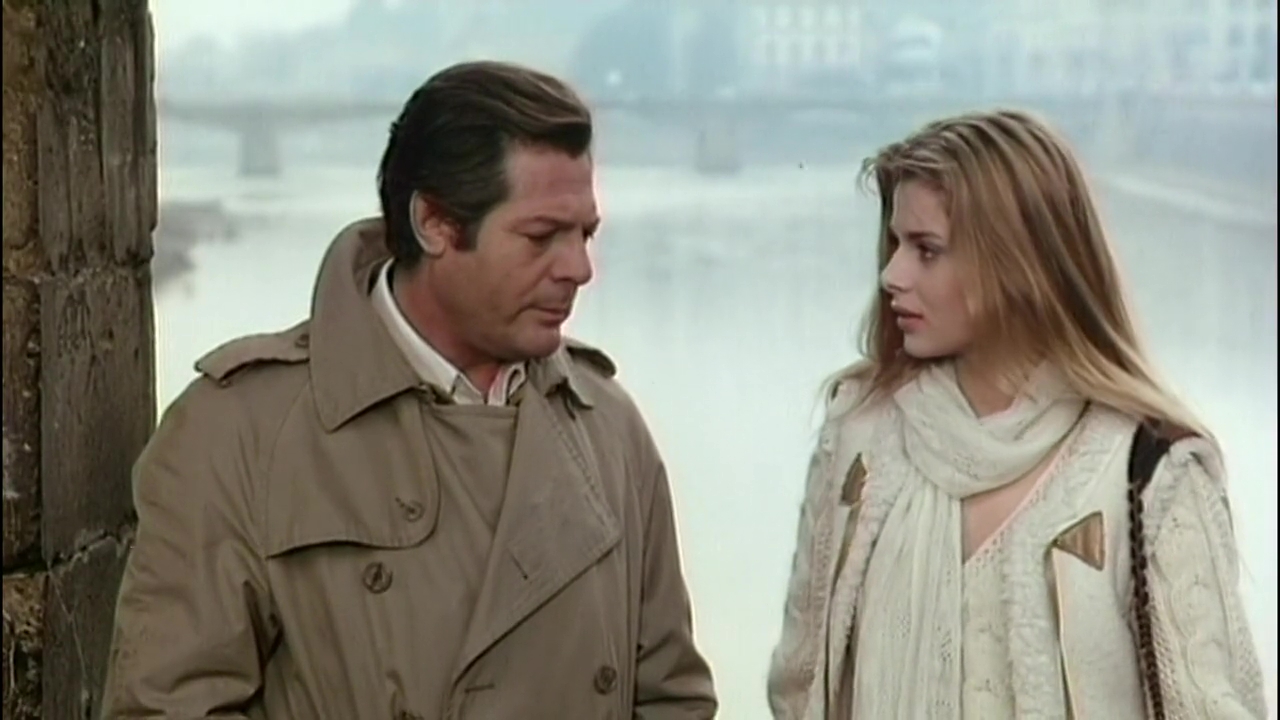
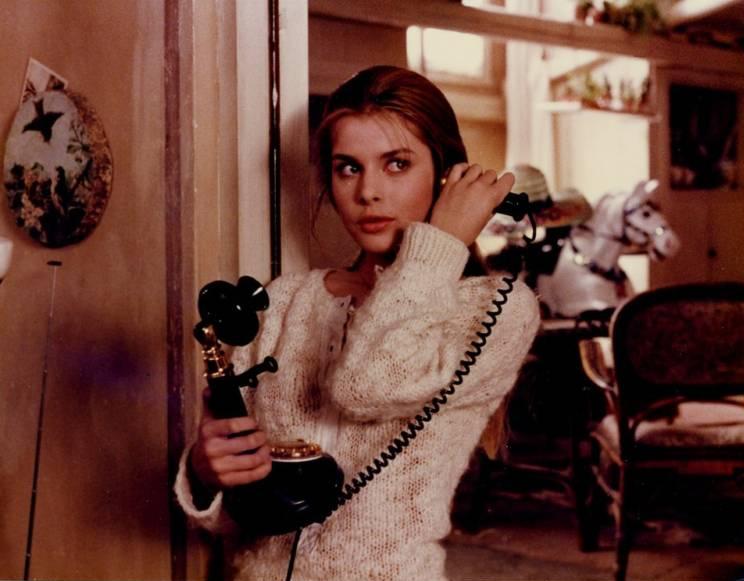
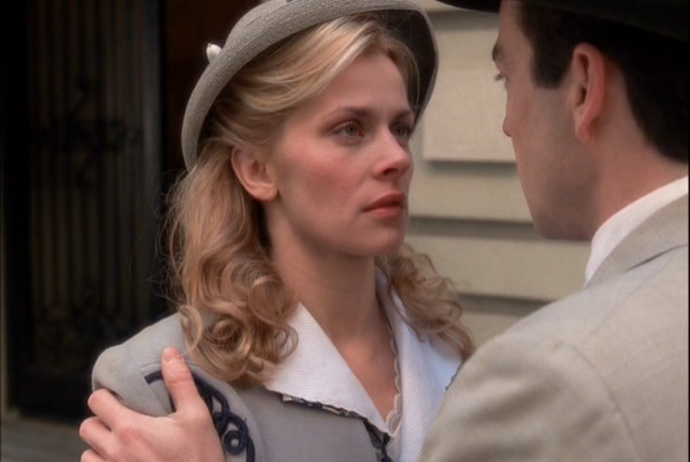
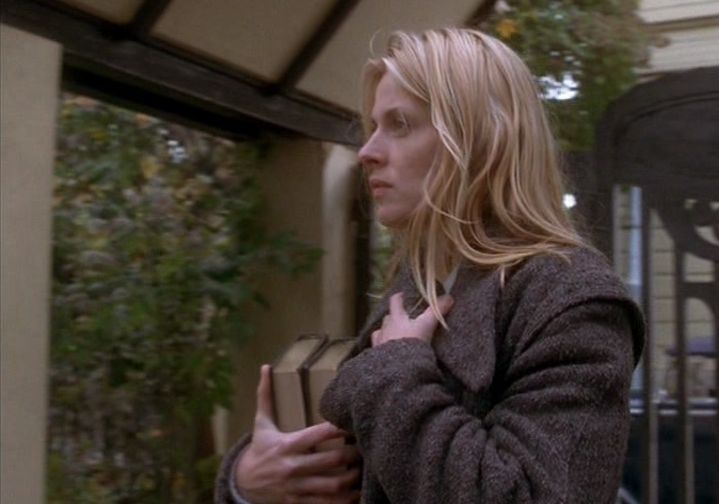
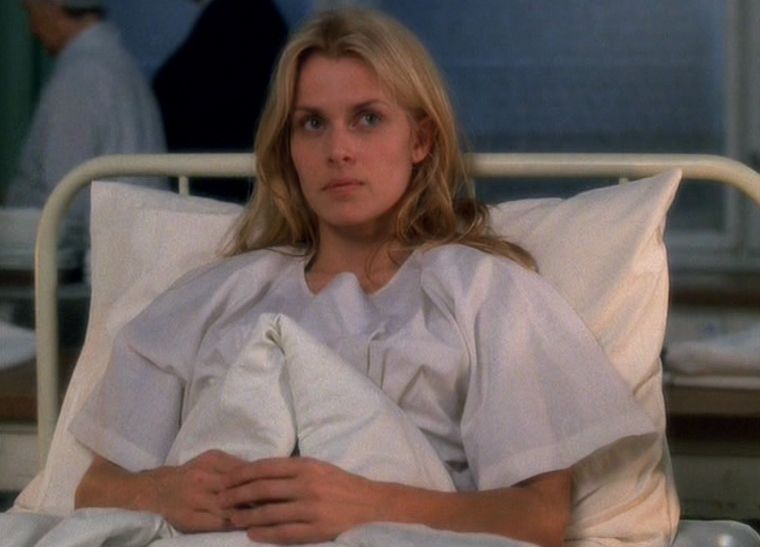
The final version had advertising director Max Carlyle (Snipes) on business in New York, when he encounters a literal rocket-scientist, Karen (Kinski), by chance. After he misses his flight, he ends up attending a concert with her, and the pair then have to handle a mugging attempt on the streets back to the hotel. Max chivalrously agrees to sit with Karen, but the inevitable happens: which would be the film’s title, if you hadn’t already guessed. Returning to Los Angeles and wife Mimi (Wen), Max is restless and distracted, though keeps quiet about his East coast escapade. However, he can’t hide forever, and when he and Mimi return to New York, where Max’s former best friend Charlie (Robert Downey, Jr.) is dying of AIDS, it turns out Karen is now married to Charlie’s brother, Vernon (McLachlan). Awkward…
There’s a three-act structure here. The first depicts the combination of circumstances which lead to Max and Karen hooking up. The second has the impact of this on Max, as he gradually realizes he is not as satisfied with his life as he initially states in his opening monologue to the camera. The third is, by and large, an extremely extended death scene for Charlie, stretched out over more than 30 minutes, and the impact this has on Max, who comes to the conclusion that existence is too short to spend with the wrong person, and seeks to rekindle things with Karen. Everything comes to a point at Charlie’s wake, where that spark becomes a bit of a raging inferno, but there’s a twist which, it has to be said, did not ring true, and seems like the kind of thing which only occurs in Hollywood movies [the same goes for Karen marrying the brother of Max’s best friend. Really, what are the odds?]. It does, however, set up a final coda, that tidies up the loose ends of the various relationships adequately, though I fear for their longer-term survival chances.
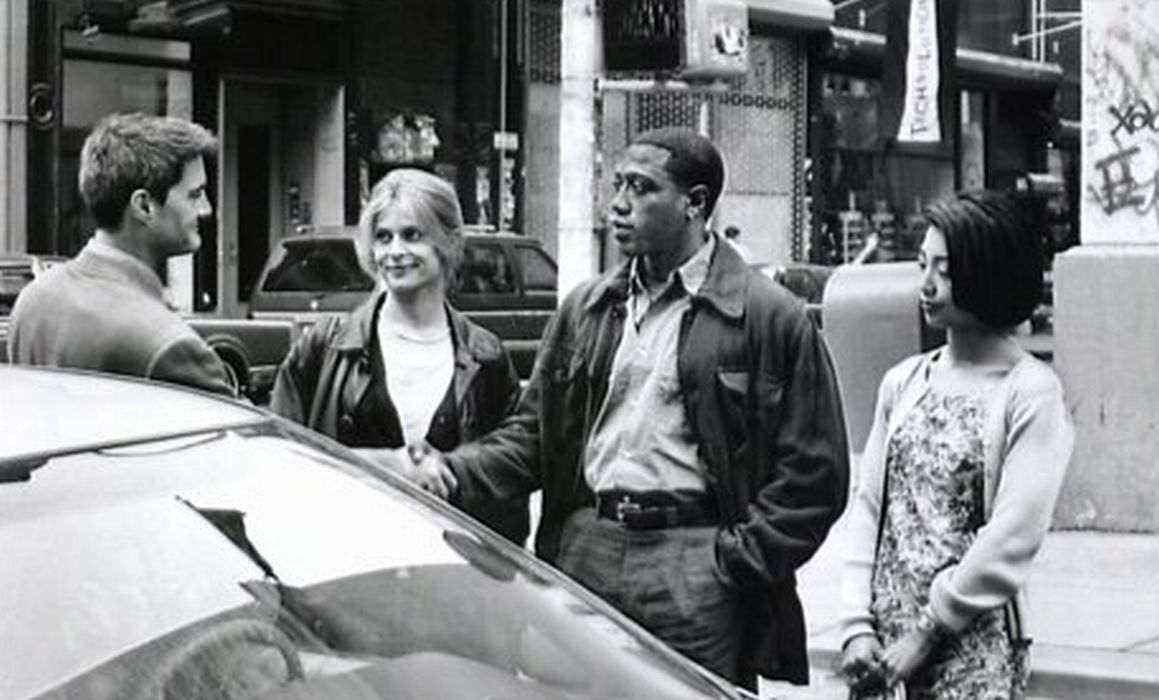 If I’ve some doubts about the plot, these are somewhat countered by fine performances all round. It’s a fairly high-profile cast assembled by Figgis, likely helped by his recent Oscar nominations for writing and directing Leaving Las Vegas: Downey was at the height of his legal troubles, but was, according the director, no problem on the set here. Other names you may recognize include Julian Sands. Amanda Donohoe, Ione Skye, Xander Berkeley and Saffron Burrows – Figgis himself cameos as a hotel clerk. Good performances from these names are unsurprising: getting them from Snipes is rather more so. Much as I love Wesley – Blade 2 is one of my favorite action/horror movies of all time and Demolition Man is another classic – he’s likely known far less for his acting, than his conviction on federal tax evasion charges. Here, he is certainly portrayed in a sympathetic manner – not that you could really blame any man for cheating on his wife with Nastassja – and I liked how the script took its time putting him in bed with Karen. It wasn’t a case of just a drunken fumble, but the glacially inevitable result (given the film’s title) of a number of unfortunate decisions, each of them likely entirely innocuous on their own.
Kinski was always the director’s first choice, and if anyone is going to be the agent that could destroy a marriage, albeit unwittingly, she’s a fine selection. But I wonder about the wisdom of the choice somewhat, paired with an African-American actor like Snipes. This introduces an inter-racial element to proceedings, enhanced by Wen’s presence as Max’s wife, to which the film is completely oblivious. While refreshing in many ways, it’s an elephant in the room which needed to be addressed. Instead, the film heads off into a lot of footage of Charlie sinking into death: at the time this was originally released, as a young and single man, this was the segment that stuck with me most. However, in hindsight, and now as a happily-married person, it seems unnecessarily melodramatic, though Downey’s performance remains good. From my current perspective, it’s Max’s decision to sabotage everyone else’s happiness in pursuit of his own which is most troubling, coming over as selfish, and only salvaged by the freakishly convenient way things turn out.
Despite solid acting, it’s not much of a surprise the film was a critical and commercial flop. While Leaving Las Vegas is 89% fresh at RottenTomatoes.com and made back nine times its (small) budget at the North American box-office, Stand took in barely one-tenth of its $24 million cost, with only 28% of reviews being positive. For example, the Philadelphia Inquirer called it , “an astonishingly dopey middle-age male fantasy,” and that’s fair criticism. Whatever flaws may have been in the original script submitted by Joe Eszterhas, they can hardly have been any more glaring that the ones present here. This demonstrates one of the potential problems when directors decide they can write better than writers, especially when no-one apparently dares yank the reins and tell them otherwise.