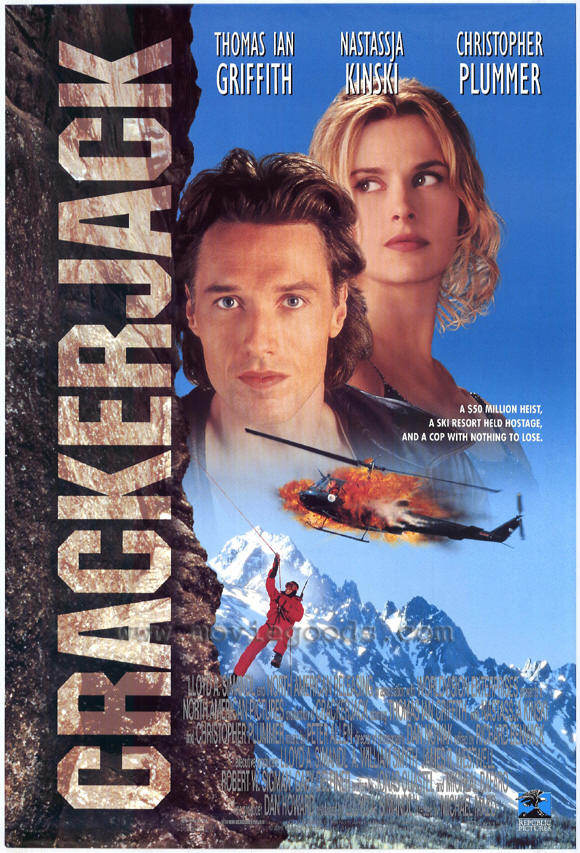
Dir: David Greene
Star: Vanessa Redgrave, Nastassja Kinski, Jennifer Tilly, Dennis Farina
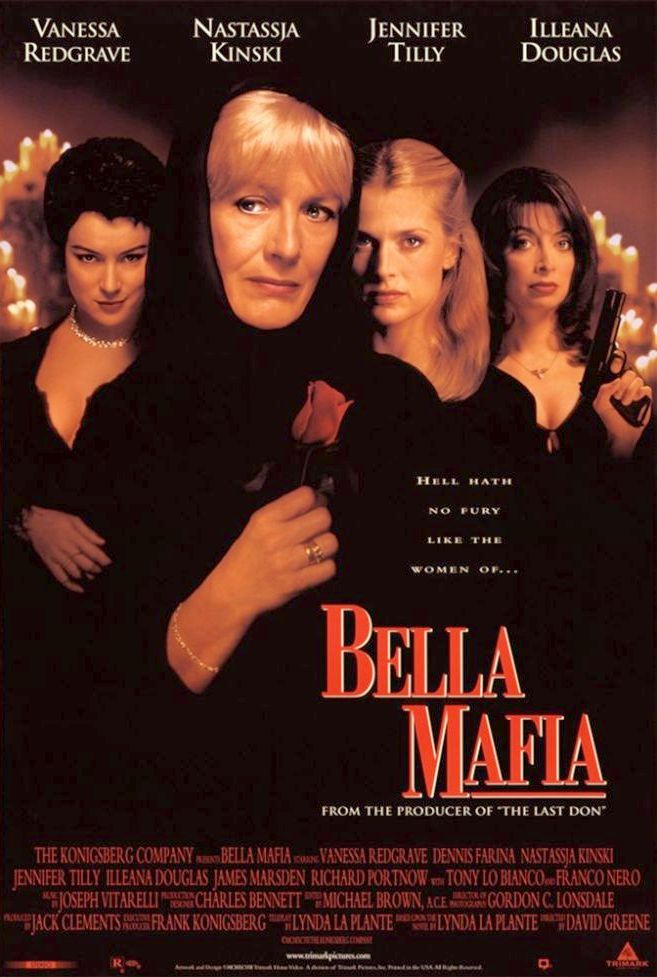 I was curious about this TV mini-series, as it was based on a novel by Lynda La Plante, whose other televisual work we’ve been enjoying of late. She’s pretty much the doyenne of female crime drama, in particular for having created Prime Suspect, the series of films starring Helen Mirren, which ran intermittently for 15 years to much critical acclaim, and inspired innumerable other shows, from The Closer to The Killing, as well as a short-lived US remake. But more relevant to this, is perhaps Widows, her career breakthrough, which had three seasons on British TV in the first half of the eighties (and was also remade for the States). Its focus was a group of women, whose husbands were career criminals: when their men end up getting killed in the course of a botched robbery, they take up the mantle and continue with the plan.
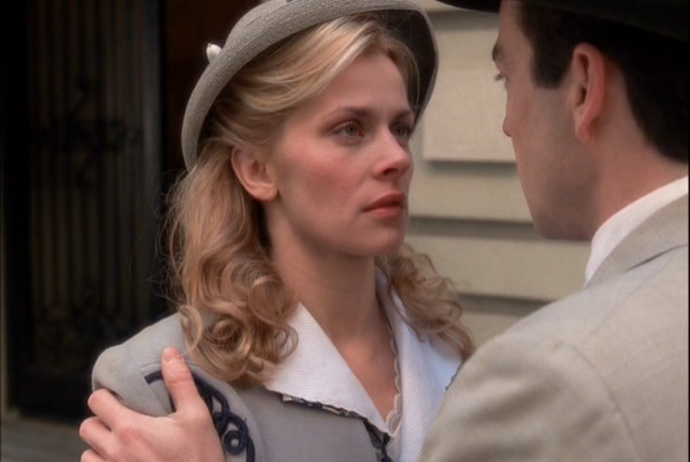
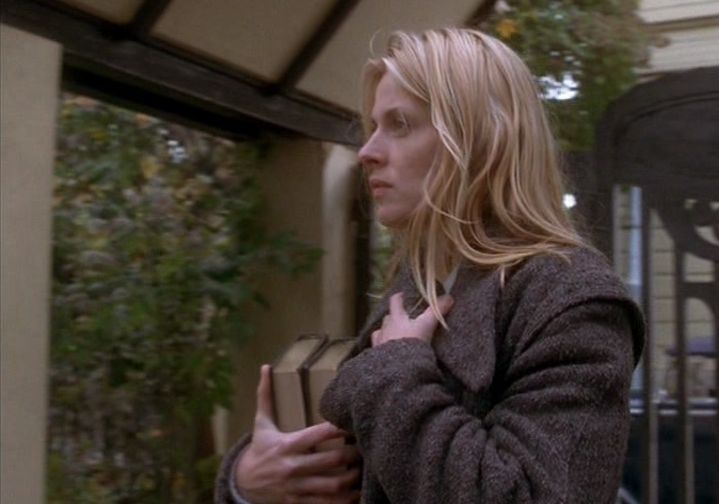
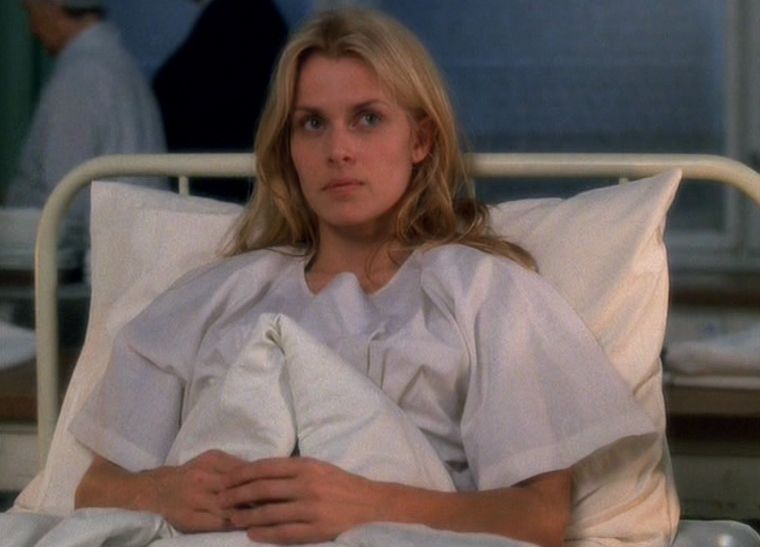
There’s more than an echo of that here, with the series [originally screened in two feature-length episodes, now combined into a single DVD] based on a novel she wrote which was published in 1991, just when Prime Suspect was getting started. It tells the story of the Luciano crime family, part of the Mafiosi operating in Sicily under their patriarch, Don Roberto (Farina) and his wife, Graziana (Redgrave). He refused to allow another family, the Carollas, to traffic drugs through the port, and their boss, Pietro, angrily retaliates, kill Roberto’s son and heir, Michael, leaving his secret girlfriend, Sophia (Kinski), pregnant with his child. The resulting son is given up for adoption, but Sophia ends up marrying another of Roberto’s sons, and joins the family along with other “Mafia wives” Teresa (Illeana Douglas) and Moyra (Tilly).
The years go by, with Teresa having a daughter, Rosa, who grows into a young woman. However, the family has long memories, and are eventually able to have Pietro arrested, albeit not for the murder of Michael. Carolla’s men, and in particular his adopted son Luka, retaliate in savage fashion: the men are poisoned during a celebratory dinner before Rosa’s wedding, and Luka even sneaks into the family home, killing Sophia’s young twin sons. Bereft of all male help, the surviving widows appear easy pickings, as the other mob families look to strip the Lucianos of their remaining assets. Worse still, Luka (literally) bumps into them, and is soon embedding himself like… like an embeddy thing. And this is where the film finally becomes interesting, showcasing the strong female characters for which La Plante is famous, as they have to fight for what’s rightfully theirs [the film, wisely, ignores the fact that these are the proceed of organized crime] and against the snake in their bosom.
Got to love the cast, led by Redgrave – nominated for a Golden Globe as a result of this performance – but ably supported by Kinski, and in particular, Tilly, whose character claws her way up from casino croupier (and, according to her, poodle grooming!) to marry her way to respectability, despite Roberto throwing her out of a family wedding as a “whore” – fair comment, in some ways. But Kinski, with her “devil’s eyes”, cuts no less imposing a figure, particular at the end where it becomes clear that their quest for revenge is not a one-off incident, and Sophia won’t stop until every single person she holds responsible, has paid for their crimes. The male cast, led by Farina, is also pretty good, with support from Tony Lo Bianco, Peter Bogdanovich and Franco Nero, among others, but it’s once they step aside (or, more accurately, get bumped off) that proceedings take on an almost Shakespearean quality of vengeance.
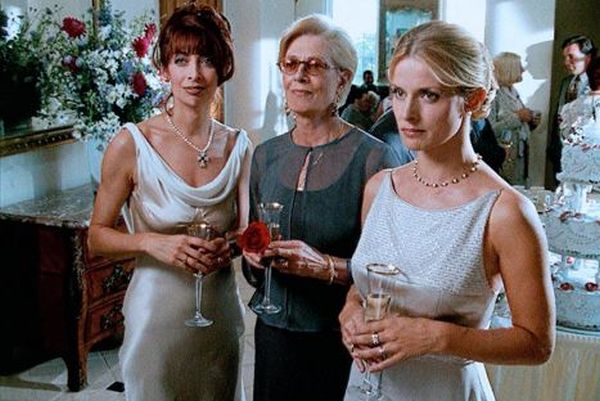
The big flaw is the story, however, which relies on some quite incredible coincidence. If you didn’t work it out from the synopsis above, and I wouldn’t blame you for missing this nugget, Luka, the psychopathic adopted son of Pietro Carolla, is the grown-up version of the baby given up for adoption by Sophia. This first requires him to find his way to the same institution where Pietro’s real son has been hidden, because his crippled nature is an embarrassment to his father, where the two become best friends. Then, when the real son dies, Pietro is so guilt-stricken that, more or less on the spot, agrees to adopt Luka to make up for not having been a good father. Then, while escaping from one of his killings, Luka runs out in front of a car driven by the women, including his biological mother – who, rather than calling an ambulance, take him back to their house to recuperate, and become one of the family. Yeah, that’s an industrial-sized serving of disbelief you see me suspending.
How much you get out of this depends on whether you fell the undoubted quality of the performances, outweighs the equally incontrovertible shakiness of the plot. Both are more notable in the second half, with the first largely being a case of arranging the various pieces on the board, in preparation for what’s to come. On balance, I think the dramatic nature of the climax does deserve cutting the series some slack. There’s a horrific power to seeing Luka tied up by the women, and Sophia hovering menacingly over him, unaware it’s her own flesh and blood responsible for her situation, and that she’s contemplating killing as a result. It’s certainly a memorable moment, particularly by the low standards of the mini-series genre, and if getting there takes a significant amount of creative fortune, I’m more inclined to forgive this its trespasses, than the ladies involved are to let their bygones be bygones.













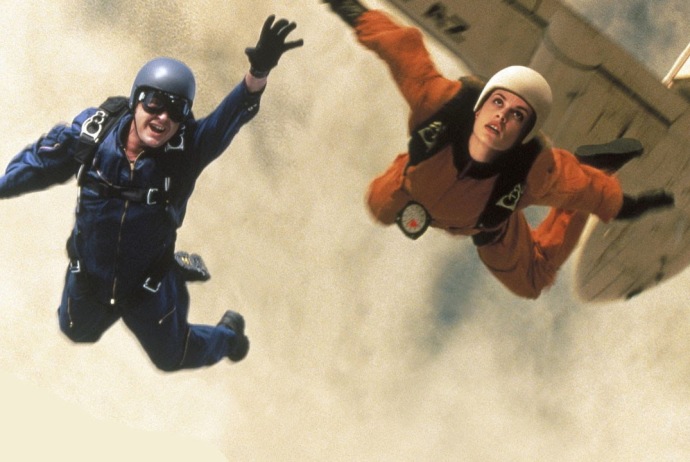
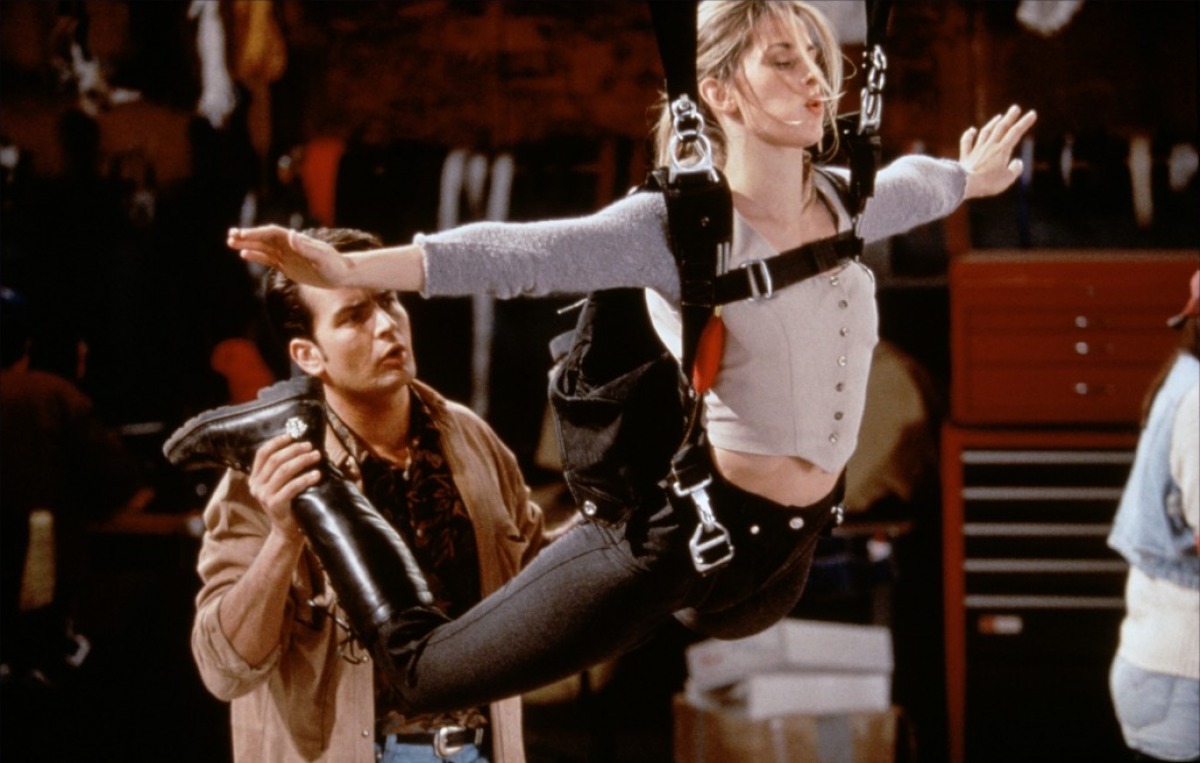
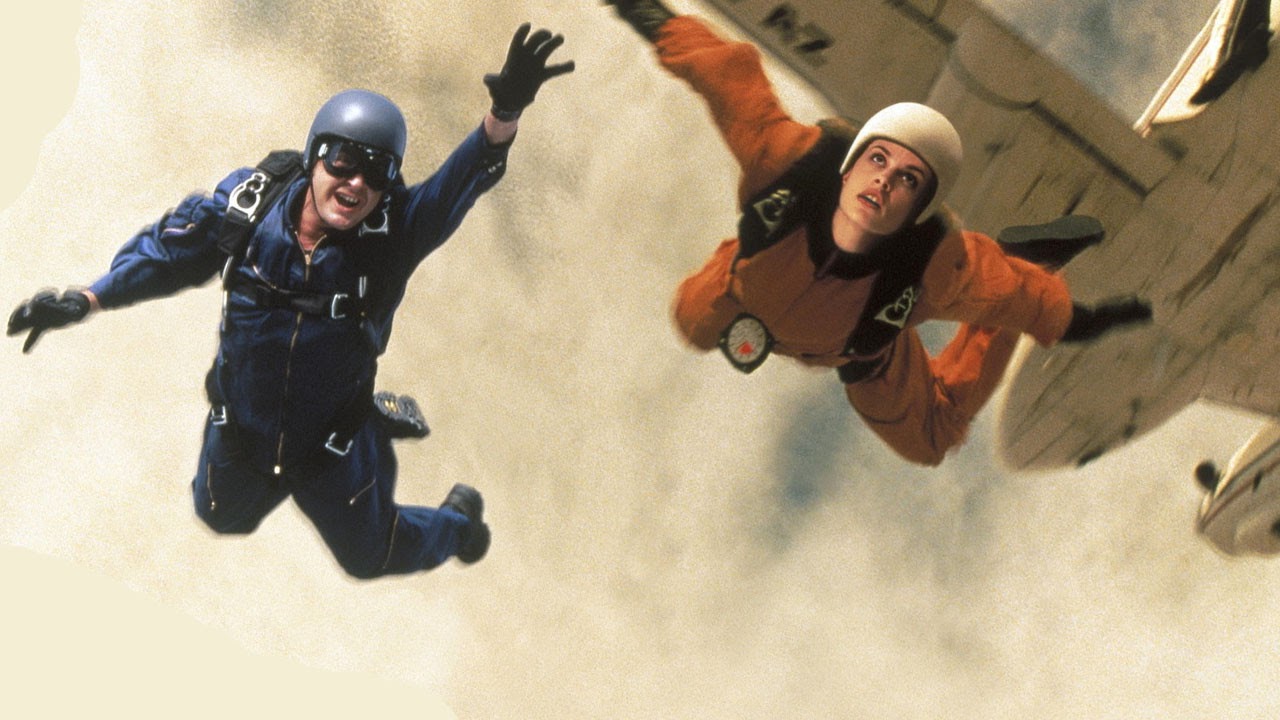
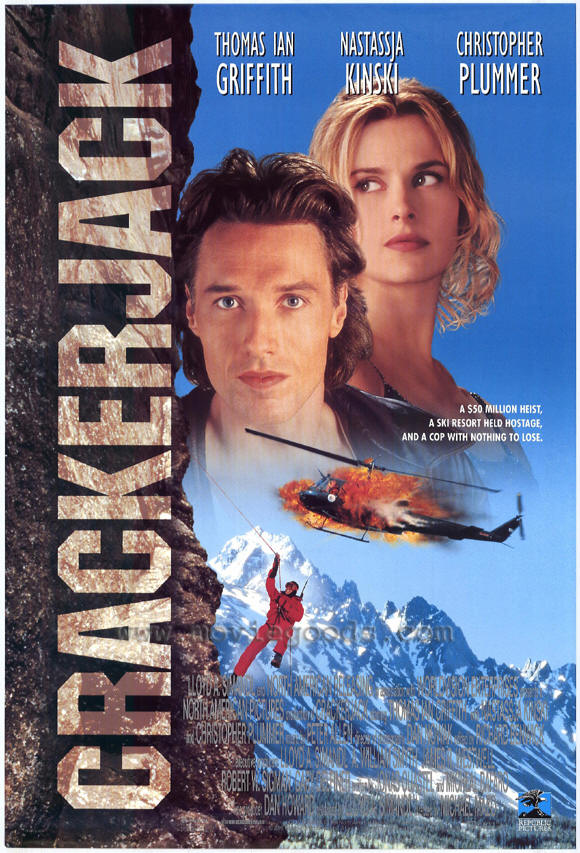
 After parachuting his guys in, for no readily apparent reason [I’m fairly sure Jack, Mike and Anne didn’t get to the resort by jumping out the back of a plane. Well, Mike and Anne, anyway – Jack’s a wild and crayzee guy], Getz kicks his scheme into action. Jack is out on the balcony enjoying a quiet perv at a couple in a neighboring room, so manages to avoid the room-to-room sweep of the terrorists. From there, you would be entirely better off removing this video-cassette from your VCR [kids, ask your parents!] and slapping in Die Hard instead. I’ve no problem with taking the concept and giving it a new twist, but the makers don’t bring anything new to the party here. Plummer is actually not bad, but Alan Rickman was just so good as the Euro-villain, it renders every effort to go down the same route pointless. But at the risk of stating the obvious, the biggest difference is that Griffith is no Bruce Willis. with a career apex probably marked either by this or John Carpenter’s Vampires. It isn’t much of a contest.